




As the United States prepares to celebrate the 250th anniversary of its founding, the military is once again confronting a question almost as old as the nation itself: What does religious freedom look like inside an institution built on discipline, uniformity and readiness?
The debate isn’t new. Chaplains have served alongside American troops since the Continental Army. Service members have long balanced personal convictions with military requirements.
But over the past two years, the Department of Defense has quietly implemented a series of policy changes that collectively offer perhaps the clearest snapshot yet of where faith stands inside today’s armed forces.
Some changes have been administrative. Others have been highly symbolic. Together, they touch nearly every aspect of religious life in uniform, from how the Pentagon recognizes religious affiliation and processes requests for religious accommodations to how military chaplains present themselves and how commanders evaluate issues such as beards and other faith-based grooming practices.
None of the changes alter the military’s obligation to protect the constitutional right to the free exercise of religion. Instead, they reflect an evolving effort to balance individual religious liberty with military readiness, good order and discipline.
Religious Liberty Remains the Foundation
The foundation for religious freedom in today’s military remains the Defense Department’s DoD Instruction 1300.17, Religious Liberty in the Military Services, which directs commanders to accommodate sincerely held religious beliefs whenever possible unless doing so would have an adverse impact on military readiness, unit cohesion, health, safety or mission accomplishment.
The policy recognizes a unique reality of military service.
Unlike civilians, service members voluntarily accept limits on many constitutional freedoms when they enter military service. Yet Congress and the Defense Department have repeatedly affirmed that religious liberty remains one of the rights deserving special protection, even within an organization where uniformity is often essential to mission success.
That balancing act has become increasingly complicated as the military itself has become more religiously diverse.
Today’s force includes Christians from numerous denominations, along with Jewish, Muslim, Buddhist, Hindu, Sikh and other faith communities, as well as a growing number of service members who identify with no religious affiliation.
As America’s military has evolved, so too have the questions surrounding how best to accommodate that diversity.
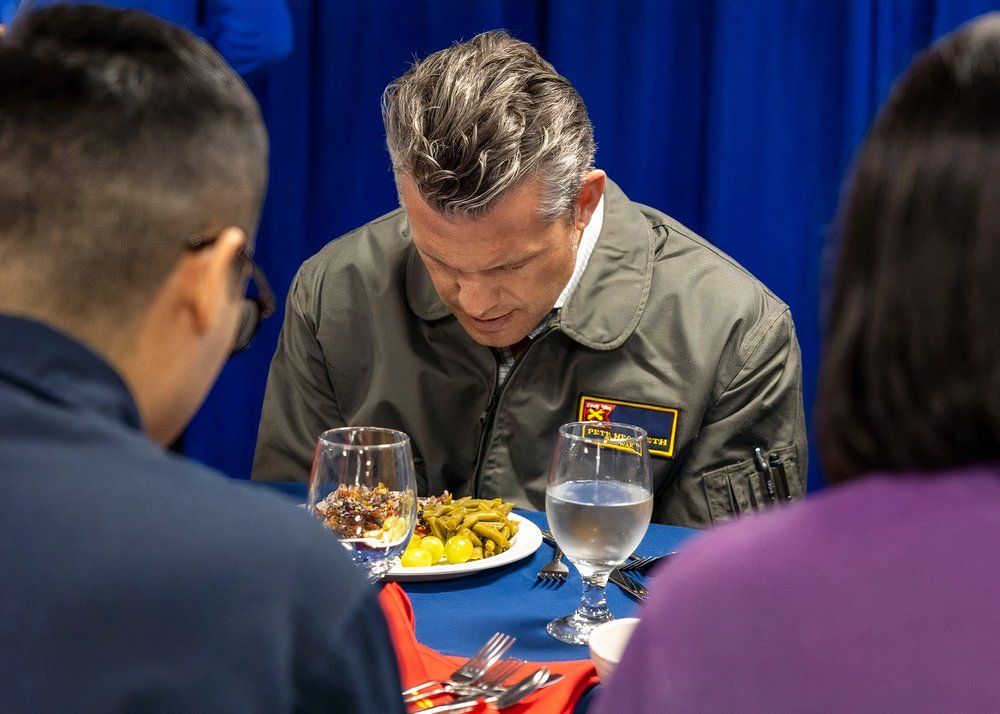 The Pentagon Simplified How It Recognizes Religious Affiliation
One of the most widely discussed changes came this year when the Defense Department significantly reduced the number of religious preference designations available in its personnel systems.
Previously, service members could select from more than 200 religious identifiers. The updated system now recognizes 31 broader categories, which Pentagon officials described as an administrative effort to simplify personnel management while still allowing chaplains to understand the religious composition of their installations.
Officials emphasized that the update does not affect a service member’s ability to practice a religion, receive pastoral care or request a religious accommodation.
Nevertheless, the move generated criticism from several religious organizations representing smaller faith communities, who argued that eliminating or consolidating specific designations diminished their visibility inside the force.
The Pentagon later modified portions of the updated list after receiving feedback from several faith groups.
Although largely administrative, the episode illustrated how even back-office personnel policies can carry symbolic importance in an institution where identity and inclusion matter.
Chaplains Are Playing a More Visible Role
The military chaplain corps has also undergone significant changes.
Earlier this year, Defense Secretary Pete Hegseth announced reforms designed to place renewed emphasis on the role of chaplains within the armed forces.
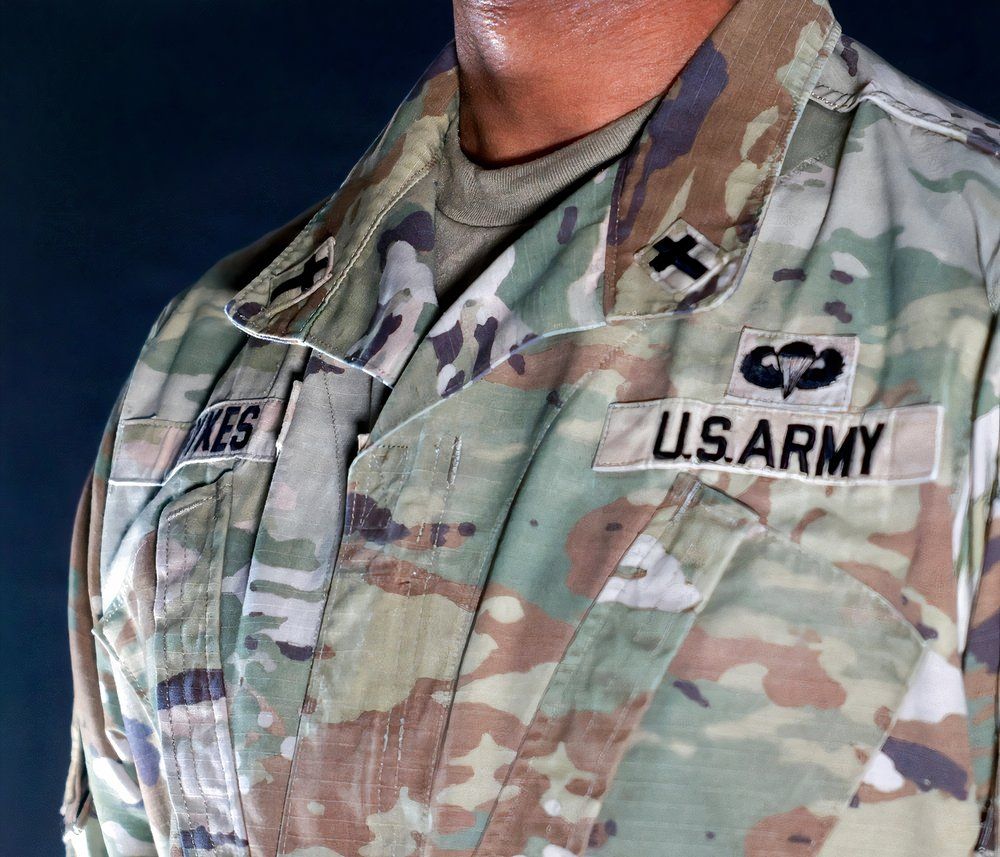
Among the most visible changes was new guidance allowing chaplains to wear their religious insignia in place of traditional rank insignia on certain uniforms, highlighting their identity as clergy while retaining their status as commissioned officers.
Supporters viewed the change as reaffirming the unique mission chaplains have held since 1775.
Unlike other officers, chaplains serve simultaneously as clergy, confidential counselors, ethical advisers and staff officers. They conduct worship services, provide pastoral care during deployments, advise commanders on matters affecting morale and religious accommodation, and help ensure every service member, regardless of faith tradition, can freely exercise his or her beliefs.
The reforms also reflect a broader emphasis on spiritual readiness as one element of overall force readiness, alongside physical, mental and social well-being.
Critics, however, questioned whether placing greater visual emphasis on chaplains’ religious identity could raise new questions in an increasingly religiously diverse military.
Regardless of perspective, few dispute that chaplains remain one of the military’s most unique institutions, serving both their own faith groups and those who hold beliefs very different from their own.
 Religious Accommodation Procedures Continue to Evolve
The Department of the Air Force has also updated how requests for religious accommodations are reviewed.
Revised guidance eliminated Religious Resolution Teams and clarified the responsibilities of commanders and chaplains during the accommodation process.
Under the updated procedures, chaplains advise commanders on the religious nature of a request, while commanders remain responsible for evaluating operational impacts and determining whether an accommodation can be granted.
Defense officials said the changes streamline decision-making while preserving commanders’ authority.
Supporters argue the revisions create clearer accountability and more consistent application of policy.
Others have questioned whether accommodations could become more dependent on individual commanders, potentially leading to inconsistent outcomes across the force.
Regardless of where one falls in the debate, the changes underscore the continuing effort to refine how constitutional protections operate within a military environment.
 Facial Hair Has Become One of the Most Visible Expressions of Religious Freedom
Few issues illustrate that balancing act more publicly than facial hair.
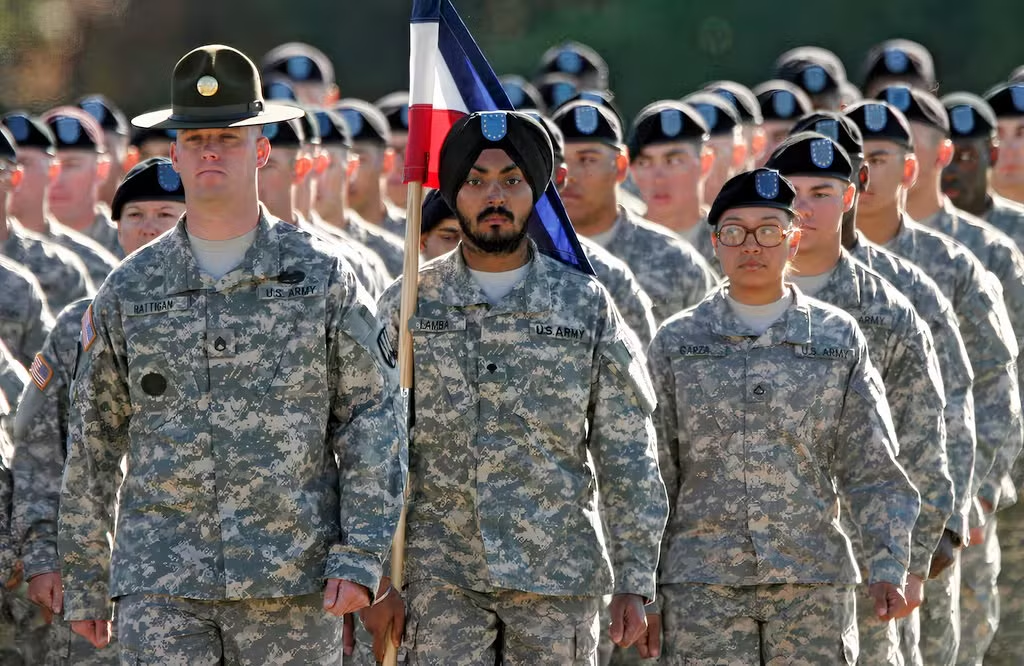
Military grooming standards have traditionally required service members to remain clean-shaven. Over time, however, the services have increasingly granted religious accommodations allowing Sikhs, Muslims and members of several other faith traditions to maintain beards or wear religious head coverings while serving.
Those accommodations remain subject to operational considerations, including the ability to wear protective equipment, safety requirements and deployment conditions.
Recent updates to grooming guidance have renewed attention on those accommodations, reinforcing that commanders retain authority to evaluate mission impacts while continuing to recognize sincerely held religious beliefs.
For many outside the military, the discussion may seem to center on beards.
Within the force, however, it represents something much larger: how an institution built on uniform standards adapts to an increasingly diverse generation of Americans willing to serve.
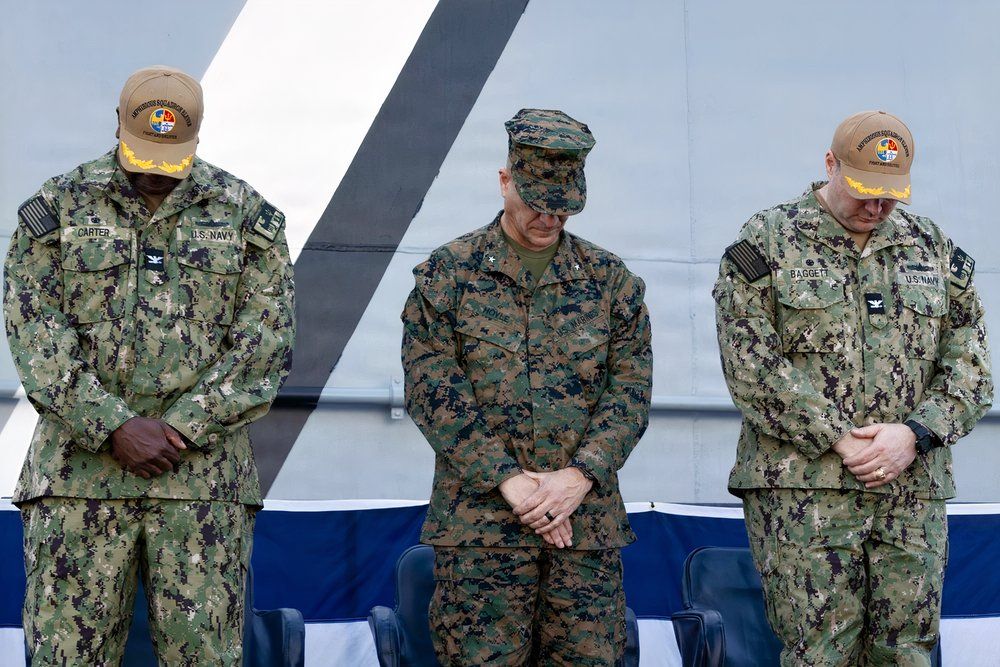 What the Changes Say About Today’s Military
Viewed individually, each of these policy changes appears relatively modest. Taken together, however, they tell a larger story.
The Defense Department is not redefining religious liberty. Nor is it abandoning long-standing protections.
Instead, it is refining how those protections are administered within a military that is more religiously diverse, and more legally and culturally complex, than at any point in American history.
As America approaches its 250th birthday, debates over religion continue throughout society.
The military reflects many of those same conversations while carrying an additional responsibility: preparing units to fight and win the nation’s wars.
That means commanders must simultaneously protect constitutional freedoms, maintain readiness, foster unit cohesion and ensure every service member is treated with dignity and respect.
Policies will continue to evolve. Administrations will change. New questions will emerge.
Yet one principle has remained remarkably consistent since the Continental Congress first authorized military chaplains in 1775: the nation’s military exists to defend the freedoms guaranteed by the Constitution, including the freedom of conscience for the men and women who wear the uniform.
Two hundred and fifty years later, that mission remains as relevant as ever.
Read the full article here