



For more than a decade, a nonprofit organization in Paris, Kentucky has worked with hundreds of severely disabled veterans to provide recreational activities and make life a bit easier for those who’ve sacrificed so much.
Now, Jason’s Box is gaining national recognition for supporting veterans in need.
The organization was recently honored with the Defender Service Award for veteran and civil servant outreach, collecting more than 30,000 votes from across the country.
Jason’s Box is named after Jason Pautsch, an Army corporal killed in Iraq, along with four other soldiers in his unit, on April 10, 2009.
Joseph A. Tirone, a retired Army colonel, serves as the volunteer director for the non-profit, which provides free activities to catastrophically injured veterans through donations and fundraising.
“I was an active-duty soldier for 30 years,” said Tirone, who currently serves as a senior advisor for Special Operations. “I am responsible for advising all of the Army Green Berets, Navy SEAL teams, and the pilots that fly them around.”
Outdoor Activities Boost Mental Health
In 2014, Pautsch’s mom, Teri, reached out to Tirone with the idea of creating a veteran support program in her son’s honor. Throughout the past decade, Jason’s Box has grown to help hundreds of veterans enjoy recreational opportunities.
“We focus on a very small number of service members, but we offer them a very wide variety of activities, such as equine therapy. We do beekeeping. We do fishing. We do hunting. We do shooting,” Tirone said.
While the suicide rate among veterans in the U.S. has dipped somewhat in recent years, it’s still tragically high. In 2022, the rate of veterans dying by suicide was twice as high as people with non-military backgrounds. Tirone believes Jason’s Box offers veterans that feeling of camaraderie they’ve missed since leaving the service, with a chance to bond with those experiencing similar physical and mental challenges.
“What we do is try to get them away from that and get them outdoors and into healthy outdoor activities,” he said.
Finding Community with Jason’s Box
After Trampus Miller lost his leg from an IED blast in Iraq, his new residence became the Walter Reed Army Medical Center in Washington, D.C. Three and a half years later, followed by more than 100 surgeries and 18 months wheelchair bound, Miller could finally leave the hospital.
“The road after that was tough, long, and lonely,” Miller said.
Then he met Tirone five years ago, went on a deer hunt with a group of fellow disabled veterans and found a place he could turn to for support.
“The first deer hunt I went on, there was like 12 or so of us veterans there. Just getting to meet everyone and just realizing you’re not alone,” Miller said. “That was probably the one that was, you know, meant the most.”
Miller had so much fun he decided to become a volunteer, helping coordinate activities for veterans.
“I can’t do a whole lot given my injuries. But, you know, I try to do all I can to help it go smoothly for them,” Miller said. “It’s gratifying to the soul, really, you know, to help each other.”
National Award Opens Door to More Opportunities
The Defender Service Awards, sponsored by Land Rover and Chase Bank, select one honoree every year to receive the veteran and civil servant outreach award. Claiming the top honor this year, Jason’s Box was given a Defender 130 Land Rover and a non-disclosed amount of prize money the non-profit plans to utilize for adaptive equipment.
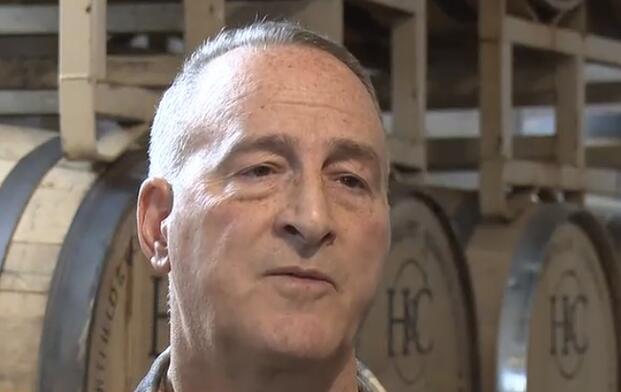
“We just finished designing it for our use. So, we’ll be able to put wheelchairs in it. We’ll put on adaptive hand controls so guys can drive it. Guys that don’t have legs can drive it,” Tirone said of the Land Rover vehicle.
Tirone said he plans to use the prize money to purchase adaptive kayaks and other items Jason’s Box has lacked since it started in 2014.
“So that any service member we bring in, if they’re missing limbs, upper limbs, lower limbs, eyesight, or whatever, we’ll be able to get them out on the Stoner Creek (in Paris) and fish,” Tirone said.
While Jason’s Box doesn’t serve veterans to receive national accolades, Tirone said the award gives them recognition, exposure and the funds to help more disabled veterans.
“We don’t do it for any other reason other than, you know, for the service members’ benefit,” Tirone said. “So, you know, what do I want out of it? Nothing. I’ve already gotten my rewards just by, you know, helping these service members out.”
Read the full article here