



With characters in games, as with people in real life, I always like to know where I stand. Much as I believe in second chances, betrayal is something that it’s extremely difficult, if not impossible, to come back from. It’s always very emotionally effective, then, for developers to subvert those kinds of expectations. Sometimes, they’ll give us the whole length of a game’s story to bond with a protagonist, only to reveal at the end that they weren’t at all who you thought they were. There’s nothing quite like a game that completely betrays player expectations.
Other titles allow you to make choices along the way that ultimately result in villainy, in which case it’s really the player’s fault more than anything. The games discussed here offer a mix of both approaches, but they all tackle the idea of turning into a villain in slightly different ways.
Spoiler alert: By nature of the title, this article will provide key narrative details about Little Nightmares, Star Wars: Knights of the Old Republic, Warcraft 3, Shadow of the Colossus, Undertale, and Braid, so watch out if you haven’t completed these yet!
Little Nightmares
Six Strikes Back
I’m a huge horror fan, and an extremely anxious person. Because of these two traits, I’m easily creeped out, but that’s okay because I actually enjoy it. The most important thing is that developers try something unique to make it happen. This was definitely the case for me with Little Nightmares, in which the tiny Six puzzles her way through the Maw, a huge, horrifying vessel full of inhuman monsters. Throughout the game, she seems all but absolutely helpless in these oversized environments, hunted and cowering in shadows. I had no idea that hunger was building to something terrible, however.
I was horrified by the scene in which Six eats the harmless nome rather than the sausage it was offering her, and absolutely flabbergasted to learn that the DLC’s Runaway Kid was that nome (the unassuming little creatures also appear later in the series), transformed. The game’s ending, too, was the furthest thing from what I expected, with Six pouncing on the Lady, consuming her, and then using her malevolent power to drain the life from the Maw’s ravenous, monstrous guests.
It’s a very clever way of completely flipping the balance of power we’d been used to, and watching her passively destroy her tormentors on her way to the Maw’s exit (particularly with the change in camera perspective) really leaves an eerie impression. Absolutely villainous behavior, though the extent to which Six becomes a villain herself is a matter of your stance (just as the developers surely intended).
Star Wars: Knights of the Old Republic
The Power of the Dark Side

With the differences between equipment availability and so on, the ‘better’ option between embracing the dark or light side in Star Wars: Knights of the Old Republic is up to the individual player. Morally, of course, there’s only one choice, but you’re given the freedom to be as villainous as you want.
The battle for the Star Forge and the defeat of Darth Malak can go very differently depending on the choices you make, as can the explosive revelation that the protagonist was in fact Darth Revan. You don’t need to be fully evil to embrace your fate as the former Dark Lord of the Sith, or fully good and pure to refuse it, but you can certainly rack up some very dastardly deeds on your way there. Systems like these would fall quite flat if there weren’t truly weighty decisions to make throughout, and there really are here. I don’t think there’s another choice in any game that’s caused me as much anguish as demanding the death of Mission Vao at the temple, and I’ve only ever done it once. Some of the most evil decisions you can make in any Star Wars title occur here.
Slow and steady increases in Light Points and Dark Points drive a character’s development, and the latter can really come at a heavy cost for your conscience.
Warcraft 3
From Hero To Zero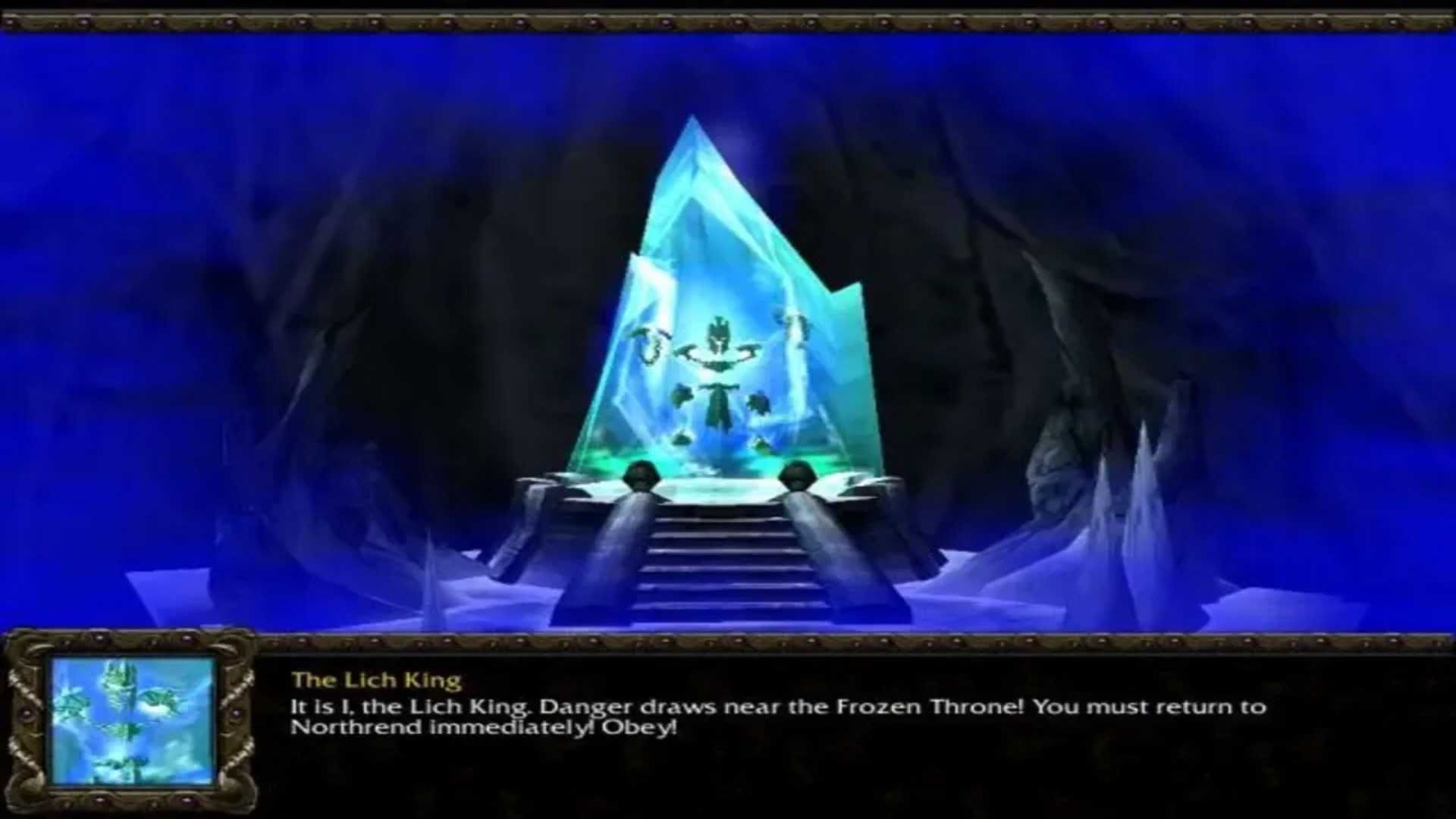 One of the most iconic moments in theFinal Fantasyseries is Cecil Harvey’s transformation from a Dark Knight to a heroic Paladin. A character going in the opposite direction, though, is a sure sign of a questionable life decision or two being made. This was exactly what happened to Arthas Menethil, tragic (former) hero of the human campaign.
This Silver Hand paladin’s story begins in the Reign of Chaos content, in which we see him wipe out Stratholme believing that this could stop the scourge from spreading. His own military superior’s shock (“how can you even consider that? There’s got to be some other way!”) leads him to dismiss the man and his forces, and what makes the whole situation even worse is that the purge doesn’t simply happen in a cutscene. We have to play it out, and even ‘compete’ with Mal’ganis to kill plagued villagers before the latter can turn them to their own army.
The former wielder of righteous abilities like holy healing light believes he is fighting to save the land, but continues to commit horrifying deeds in the effort. On seeking and claiming the blade Frostmourne, his humanity is sacrificed forever, and he ultimately adopts the dreaded mantle of the Lich King. It’s an interesting and tragic backstory for a villain, and making it playable across Reign of Chaos and The Frozen Throne gives it an additional impact.
Read the full article on GameRant
This article originally appeared on GameRant and is republished here with permission.
Read the full article here