




They met while serving in the U.S. Army, a shared military background that prosecutors now say sits at the center of a decades-old homicide tied to the Gilgo Beach investigation.
Nassau County prosecutors in New York say Andrew Dykes, a former U.S. Army operating room technician, murdered fellow service member Tanya Denise Jackson in 1997, dismembered her body, and discarded her remains on Long Island, a case that later became intertwined with the Gilgo Beach investigation after additional remains were discovered during the 2011 search along Ocean Parkway. Authorities say decades of preserved evidence, combined with advances in DNA and forensic genealogy, allowed investigators to identify Jackson and her young daughter in 2023 and link Dykes to the crime.
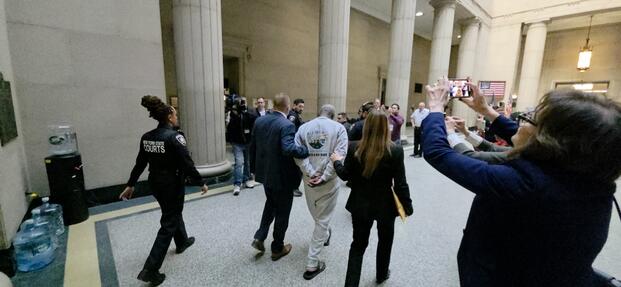
Similar advances in forensic genealogy and DNA analysis have helped investigators nationwide resolve cold cases involving service members and civilians alike, illustrating how long-dormant evidence can gain new significance decades later. Dykes was arrested in Florida earlier this month, waived extradition, and was arraigned in Nassau County Supreme Court, where he faces a charge of second-degree murder and was ordered held without bail.
From Army Service to a 1997 Killing
Prosecutors allege Dykes killed Jackson in 1997, dismembered her body, and took deliberate steps to conceal the crime by separating and disposing of her remains in multiple locations. Jackson’s torso was discovered that year in Hempstead Lake State Park in Nassau County, but investigators were unable to identify her at the time, leaving the case unresolved for decades.
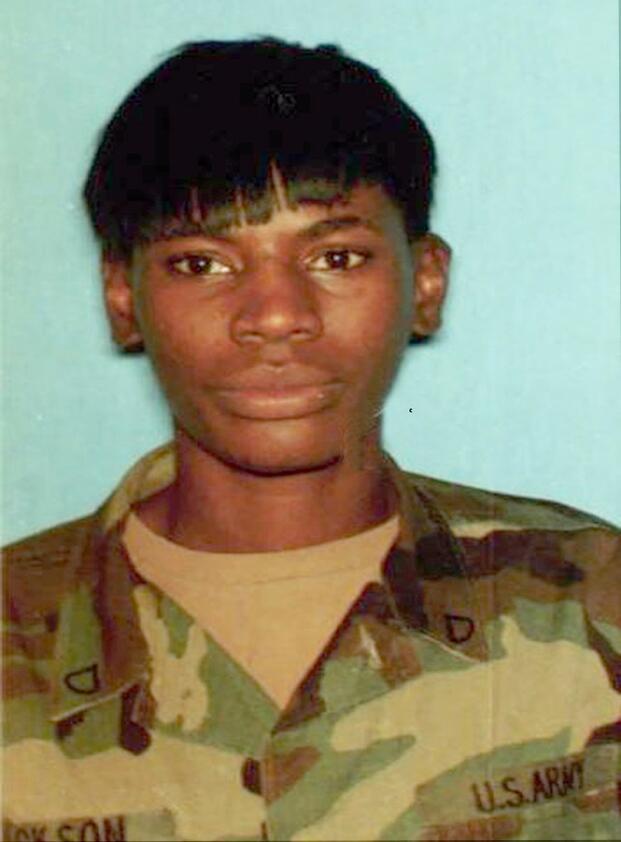
Authorities say Jackson and Dykes met while serving in the U.S. Army in the mid-1990s, where Dykes was trained as an operating room technician and later worked as an instructor in anatomy and physiology. Prosecutors allege that medical background is significant, saying it helps explain the manner in which Jackson’s body was dismembered and why investigators believe the crime required specialized knowledge.
Investigators say Jackson later traveled to New York with her young daughter, Tatiana, after her relationship with Dykes. Jackson was never reported missing, prosecutors said, a factor that severely complicated efforts to identify her and track her movements after she left military service.
In 2011, during the Gilgo Beach search along Ocean Parkway, additional remains linked to Jackson and Tatiana were discovered in Suffolk County. Authorities say those discoveries tied the case to the broader Gilgo Beach investigation but still did not provide enough information at the time to identify the victims. It was not until advances in DNA technology, forensic genealogy, and military and civilian record analysis that investigators were able to put names to the remains and reconstruct Jackson’s final movements.

A Case Built Decades Later
During Dykes’ arraignment, prosecutors walked the court through what they described as a methodical killing followed by years of concealment. According to statements made in court and filings reviewed by the judge, the case relies on physical evidence preserved from the original 1997 investigation, contemporaneous police reports, and forensic material that could not be fully analyzed at the time.
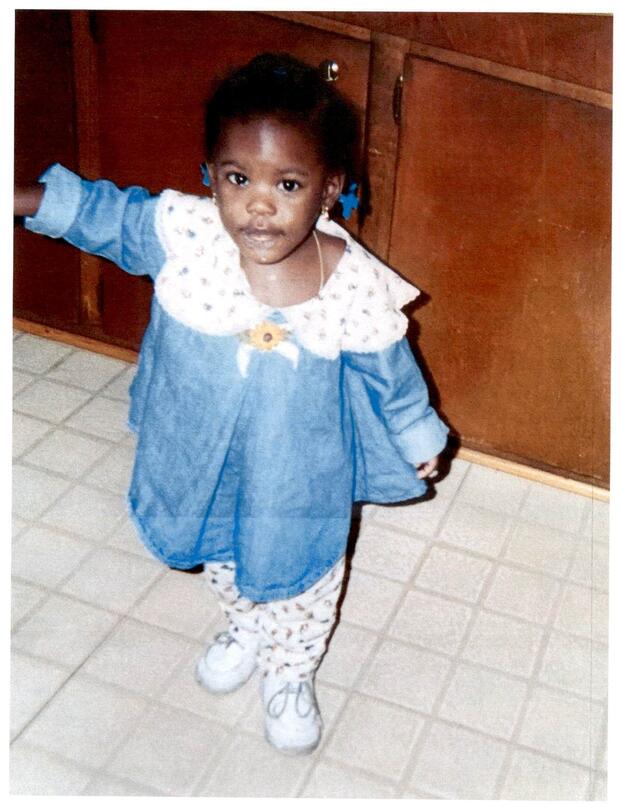
Prosecutors told the court that advances in DNA science, including forensic genealogy, allowed investigators decades later to identify Tanya Denise Jackson and her daughter, Tatiana, and establish a familial link to Dykes. They argued that the strength of that evidence, combined with documentary records and witness information, supported holding Dykes without bail.
Dykes entered a plea of not guilty. His attorney requested additional time to review discovery and said the defense intends to challenge the reliability and interpretation of the newer DNA techniques used in the investigation. The judge scheduled the case for further proceedings as it moves toward the pretrial phase.
From a Tattoo to a Name
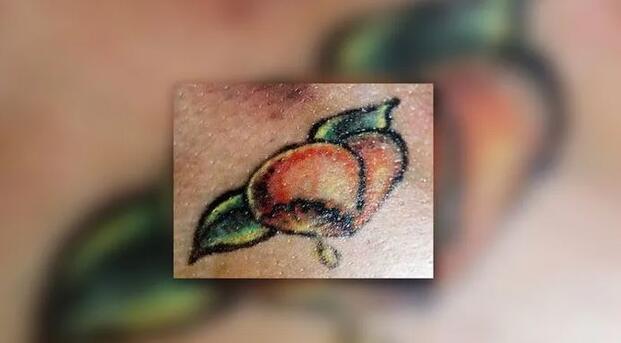
For years, investigators had little to work with beyond a distinctive peach tattoo on Jackson’s body, a single identifying mark that led to her being publicly known only as “Peaches.” With no missing-person report, no confirmed name, and limited records tying her to New York, the case stalled despite early investigative efforts.
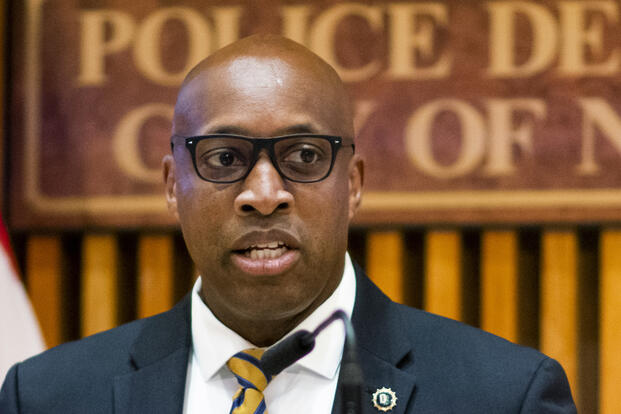
Former Suffolk County Police Commissioner Rodney Harrison, who stood up the Gilgo Beach Task Force, said the breakthrough came from persistence and a willingness to revisit old evidence using modern tools.
“All they had was a tattoo, and then they were able to identify Tatiana as well as Tanya Jackson,” Harrison told Military.com.
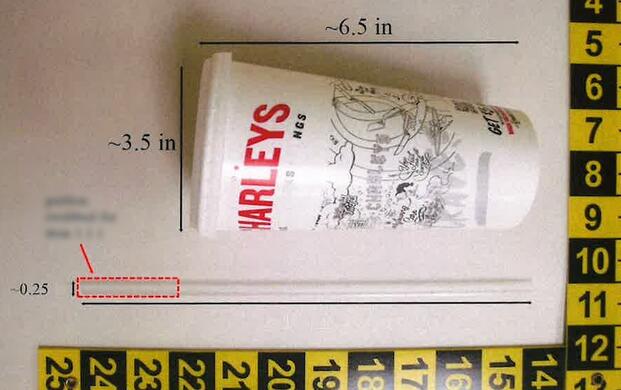
Authorities said investigators eventually located Tatiana’s birth certificate, which listed Dykes as her father, providing a critical documentary link. That discovery allowed detectives to narrow their focus and conduct surveillance in Florida, where they collected DNA from a discarded cup. Prosecutors say that DNA matched forensic evidence preserved from the original 1997 investigation, helping investigators formally identify Jackson and link Dykes to the crime decades later.
The Gilgo Beach Investigation: A Broader Context
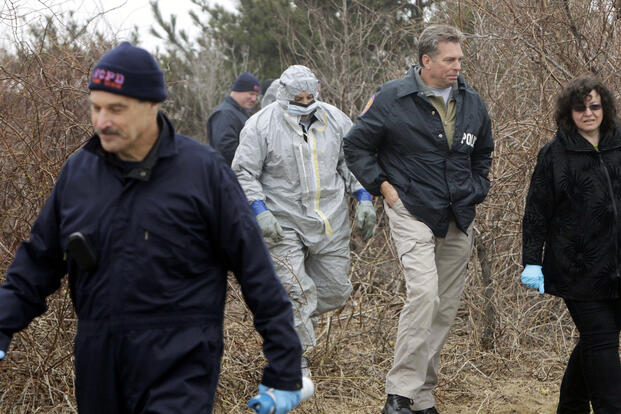
The Gilgo Beach investigation began in 2010, after the disappearance of a Long Island woman led police to discover human remains along Ocean Parkway in Suffolk County. Over time, investigators recovered the remains of multiple victims, turning the case into one of the most complex and closely watched serial-killing investigations in the country.
For years, progress stalled amid fragmented investigative approaches and unresolved questions about whether the cases were connected. That shifted in 2022, when Suffolk County officials launched the Gilgo Beach Task Force, bringing together local, state, and federal agencies to reexamine evidence using modern forensic tools and renewed coordination.
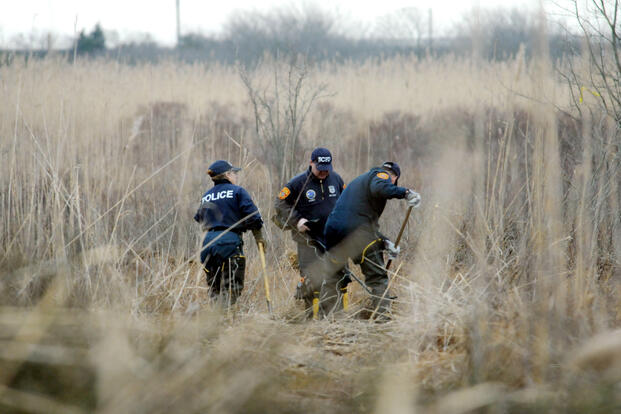
Harrison said the task force’s mandate was not to force links between cases, but to separate them carefully and let evidence drive conclusions.
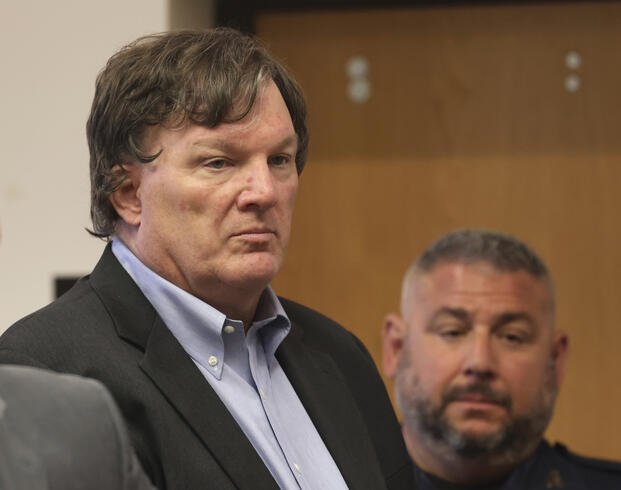
That renewed approach led to the 2023 arrest of Rex Heuermann in connection with the killings of multiple women whose remains were found along Ocean Parkway. Investigators have since emphasized that the Gilgo Beach search area contained victims tied to different suspects and different crimes spanning decades, a distinction they say was critical to preserving the integrity of each investigation.
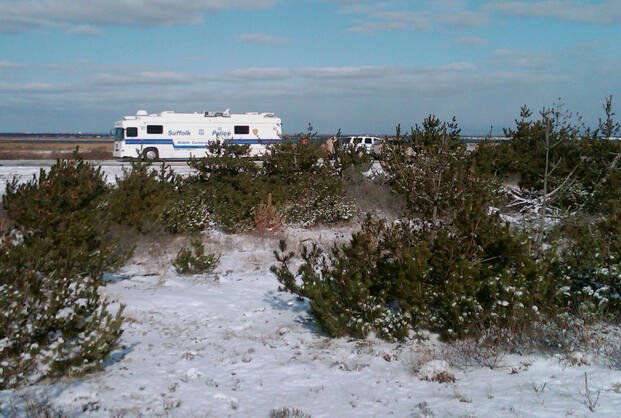
Gilgo Beach and Separating the Evidence
Because some of the remains were recovered during the Gilgo Beach search, the Jackson case became intertwined with one of the nation’s most high-profile serial-killing investigations, even though investigators suspected early on that multiple crimes and suspects were involved.
Harrison said the Gilgo Beach Task Force was deliberately structured to avoid assumptions, focusing instead on forensic precision and evidence-driven distinctions between cases.
“Parkway was attached to Rex Heuermann,” Harrison told Military.com. “This shows there was an appropriate investigation that was done, and they used whatever science and technology to show these bodies were attached to Rex Heuermann, and these other bodies were attached to somebody else.”
Harrison said the arrest of Dykes reinforces the credibility of that approach, demonstrating that separating cases carefully strengthened the investigations rather than complicating them.
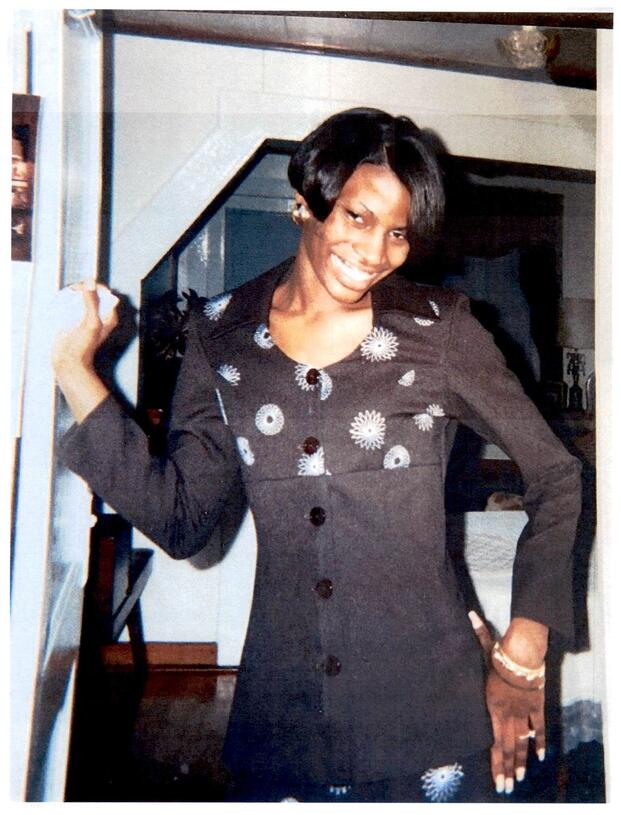
Prosecutors Lay Out the Case
At a news conference announcing the arrest, Nassau County District Attorney Anne Donnelly said investigators determined Jackson was not the victim of a serial killer, but of someone she knew and trusted. “We allege she was the victim of a man she loved, the father of her child,” Donnelly said.
Donnelly said Dykes was married and had children at the time he met Jackson, a detail prosecutors say underscores their belief that Jackson was killed by someone she trusted.
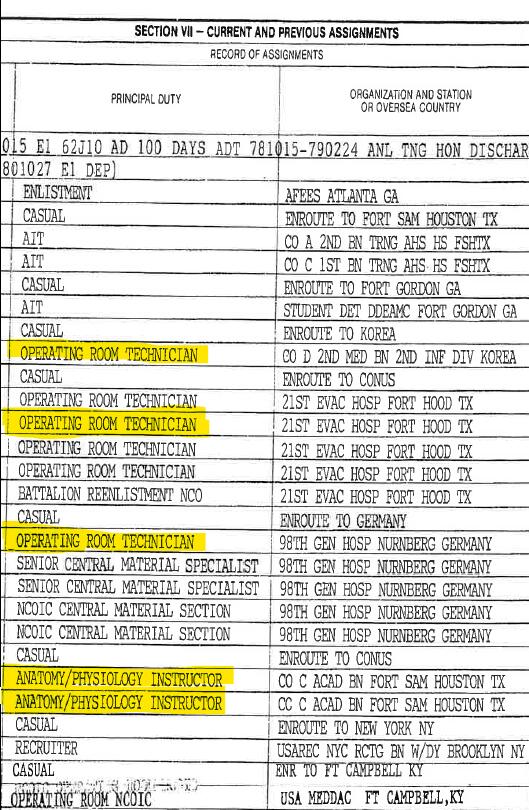
Donnelly said Dykes’ military background is central to the prosecution’s theory of the case. Prosecutors allege he received extensive medical training while serving in the U.S. Army, including work as an operating room technician and later as an instructor in anatomy and physiology. Investigators say that training is significant, arguing it helps explain the manner in which Jackson’s body was dismembered and why the crime appeared to involve specialized knowledge.
Defense Questions New Forensic Methods
Dykes’ attorney said his client is presumed innocent and plans to challenge the forensic evidence presented by prosecutors.
“The technology used to reach these conclusions is newer technology and is subject to scrutiny,” the attorney said after the arraignment, adding that the defense intends to contest how that evidence was interpreted and expects the case to proceed to trial.
A Case with National Implications
Harrison said the Gilgo Beach Task Force has influenced how cold cases are approached nationwide, particularly by encouraging agencies to revisit long-stalled investigations using modern forensic tools alongside traditional police work.
“I want to believe it opened up the eyes for a lot of different investigations throughout the country,” Harrison told Military.com.
He said the progress in the Jackson case shows families who have waited decades that answers are still possible, even when cases appear unsolvable.
Harrison said the task force’s work demonstrates that time does not have to be an obstacle to accountability.
Military Service at the Center of the Case
Both Jackson and Dykes served in the U.S. Army during the 1990s and met while stationed in Texas, according to prosecutors. After leaving the Army, Dykes also served as a state trooper and later worked as a corrections officer, details discussed during court proceedings. Jackson later traveled to New York with her daughter, Tatiana. Authorities said she was never reported missing, a factor that delayed identification efforts and allowed the case to remain unresolved for decades.
For investigators, the arrest underscores a broader message they say applies regardless of how much time has passed.
“Time doesn’t erase accountability,” Harrison said. “Police work is going to track you down.”
Story Continues
Read the full article here