




After almost 21 years in the Air Force, Jeff Andrejcik was looking forward to retiring from military life, embarking on a fruitful career in the civilian world.
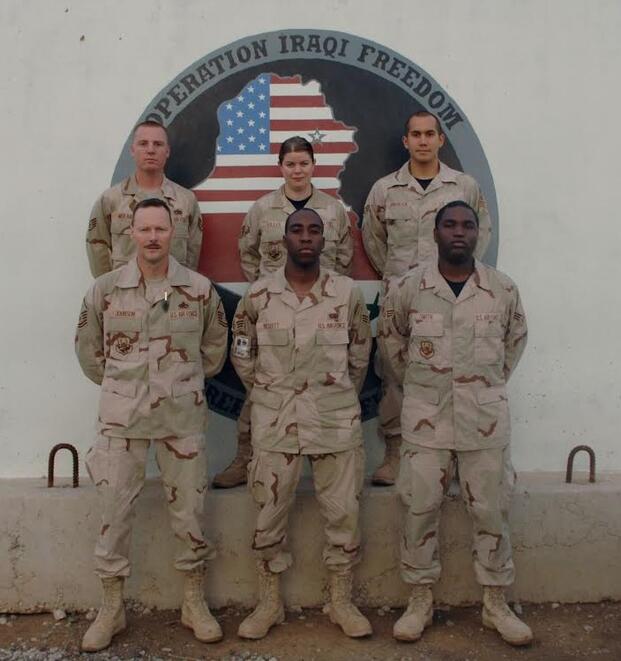
Andrejcik’s service time included multiple deployments, highlighted by three combat tours in Iraq and the United Arab Emirates. The Air Force veteran served in several roles and had built a solid resume, landing a job with the federal government and moving his family to a base in Florida for a position he had worked years to acquire.
Then came the gut punch.
President Donald Trump’s swift and indiscriminate overhaul of the federal workforce earlier this year suddenly meant Andrejcik was out of a job.
“My selection and the position I earned were erased from the books,” Andrejcik told Military.com.
Andrejcik, who was working on his master’s degree when his position was eliminated, didn’t know what to do. Spending two decades in the military, he was reared on planning, preparation and execution, but this new world of unemployment was about as foreign as one of his deployments to a far-off country.
“The momentum vanished overnight, and I felt like I had every reason to dwell,” Andrejcik said.
But he didn’t. While the military teaches soldiers planning, preparation and execution, it also teaches resiliency. The Air Force veteran dusted himself off and decided to reset, regroup and commit to finding the next opportunity.
“Admittedly, I’m not the biggest fan of the word resilience, but it’s what military service instills, and now there was no time to abandon that,” Andrejcik said. “Because the truth after serving is this: pity won’t help you pay the bills.”
Persistence Opens Doors
When Andrejcik was serving at his last duty station, RAF Alconbury in the U.K., he put a lot of thought into life after the military. He knew it likely wouldn’t be a cakewalk, but he felt assured, with his level of training and experience, that an ideal opportunity wasn’t far off.
However, his unexpected job loss thrust him into the dreary realm of job boards, rejections, and rewriting resumes for civilian positions in a way that he said, “20 years of ‘hurry-up-and-wait’ never taught me.”
In the process, Andrejcik learned a hard truth – in the civilian world, a veteran’s resume filled with experience and education doesn’t often land at the top of the pile.
“Still, opportunities exist,” he said. “It boils down to how much effort you’re willing to put into seizing them.”
Months of surfing the various job sites like LinkedIn and Glassdoor, Andrejcik’s tenacity paid off. He spotted a job with TalkingParents, a software-as-a-service (SAAS) specializing in co-parenting communication, founded by veterans Vince Mayfield and Louis Erickson, who left government contracting to branch out on their own.
“The more I researched,” Andrejcik said, “the more it seemed too good to be true. They created a company with purpose, values, and culture that mirrored what I came to love about the military.”
Andrejcik said the job also checked off a lot of the work-life balance boxes: tuition assistance, flexible time off, and comprehensive health insurance coverage. In addition, TalkingParents hosts monthly team-building events.
“I felt compelled,” Andrejcik said. “So, I applied.”
TalkingPoints was interested in him too, and after a couple rounds of interviews, a skills test, and a tour of the office, Andrejcik received the words he had waited months to hear … “You’re hired!” He serves as the company’s lead public relations specialist, a role he was familiar with in the Air Force.
“Almost immediately, I felt it: the familiar sense of camaraderie, the shared mission, the extended family you don’t expect to find outside of the uniform,” he said.
After about five months with TalkingPoints, Andrejcik feels he’s found the connection and purpose he was accustomed to in the Air Force. A perfect bridge to a new chapter.
Don’t Rest on Laurels
For Andrejcik, 20-plus years surrounded by military life made him a bit complacent. The thought of getting fired never really crossed his mind and it became easier to take things for granted.
If his story hits close to the heart for fellow veterans, he said it’s time to “reprogram your mindset.” He discovered the civilian world sets a much lower bar for apathy.
“They respect your service and sacrifice, but it doesn’t exempt you from the expectation of contributing to a team, shaping culture, and answering the call,” he said. “Consistently displaying those traits not only gets you in the door, but it keeps you in the house.”
What’s the biggest lesson Andrejcik learned on his employment journey?
“Opportunities won’t be handed to you,” he said.
Tips for Job Hunting
Andrejcik shared a few key tips for job hunters:
- Apply what you learned from mentors and the Transition Assistance Program
- Custom-tailor resumes to align with job descriptions
- Include sincere cover letters
- Do research
- Showcase yourself on professional sites like LinkedIn
“Lean on AI. It’s an invaluable tool that takes the tedium out of job preparation and research,” Andrejcik said. “In seconds, AI can translate military experience into civilian terms, tailor résumés to different roles, and determine which jobs are actually a good fit.”
The Air Force veteran also said that military members who are in their last 12 months of duty, and those who separated within the last 12 months, can also receive a free year of ChatGPT Plus account.
Success after the military can be challenging for most veterans, but Andrejcik’s tale shows it’s not impossible.
“Embrace the process and be ready to put a full-time effort into landing a full-time job,” he said. “Combine that with the same grit, adaptability, and resilience that carried you through the military, and it will carry you through civilian life.”
Story Continues
Read the full article here