




James Ransone, the actor best known for portraying Ziggy Sobotka on HBO’s The Wire and for his role in the military miniseries Generation Kill, has died. He was 46. The Los Angeles County Medical Examiner’s Office confirmed in online records that Ransone died by suicide on Friday. No additional details were immediately released.
Ransone built a wide-ranging career across television and film, often playing volatile, troubled, or emotionally complex characters. In addition to his work on The Wire, he appeared in HBO’s Generation Kill, which followed a U.S. Marine reconnaissance battalion during the early days of the Iraq War. The 2008 miniseries marked a turning point in Ransone’s career, and he later said it was during that production that he fully realized he had become a professional actor.
In a 2016 interview with Interview Magazine, Ransone spoke openly about struggling with addiction earlier in his life and credited his sobriety ahead of filming Generation Kill as a critical moment both personally and professionally.
Born and raised in Maryland, Ransone developed his passion for acting as a teenager in Baltimore, a city he often described as creatively formative. He told Interview Magazine that Baltimore’s distinct artistic culture helped shape his sensibilities as a performer, citing the city’s long tradition of unconventional artists and filmmakers.
Beyond television, Ransone appeared in a number of feature films, including It: Chapter Two, The Black Phone, and the upcoming Black Phone 2. His later television credits included appearances on Bosch and Poker Face, where he continued to gravitate toward intense and unpredictable roles.
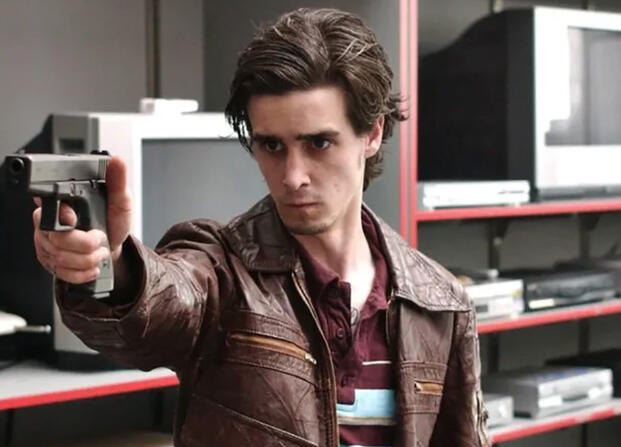
Ransone’s performances were frequently praised for their rawness and emotional honesty, particularly his portrayal of Ziggy Sobotka, a deeply flawed dockworker whose tragic arc remains one of The Wire’s most memorable storylines.
Sidebar: Why “Generation Kill” still resonates with military audiences
For many service members and veterans, HBO’s “Generation Kill” stands out as one of the more grounded portrayals of modern combat units — not just the firefights, but the long stretches of uncertainty, the friction with leadership, and the dark humor troops use to get through it.
The miniseries follows a Marine reconnaissance battalion during the opening phase of the Iraq invasion, highlighting the small-unit dynamics that are often flattened in more conventional war dramas. Ransone cited the production as a turning point in his career, making it a notable credit for viewers who found the series unusually authentic in tone and detail.
Tributes Pour In From Co-Stars, Directors, and Fans
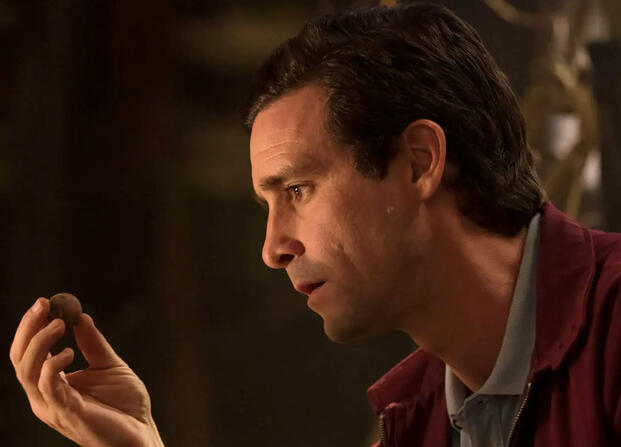
Following news of James Ransone’s death, tributes have flooded social media from across the film and television world, with colleagues, collaborators, and fans remembering the actor for both his talent and his kindness. Ransone, best known for his work on The Wire, Generation Kill, and a range of acclaimed films, left a deep impression on those who worked alongside him over more than two decades in the industry.
Director Spike Lee, who cast Ransone in Inside Man and Red Hook Summer, shared a heartfelt message on Instagram, calling him a “dear brother” and honoring the bond they formed on set. Fellow filmmakers echoed that sentiment, including Sean Baker, who worked with Ransone on Starlet and Tangerine, writing simply that he would miss his friend dearly. Larry Clark, who directed Ransone in Ken Park, also posted a brief tribute, underscoring the respect Ransone commanded across very different corners of independent and studio filmmaking.
Actors who shared the screen with Ransone offered especially personal remembrances. Wendell Pierce, his co-star on The Wire and Treme, expressed regret that he couldn’t be there for him and wished him peace. Madeleine McGraw, who worked with Ransone on The Black Phone films, described him as a generous, supportive presence whose encouragement left a lasting mark on her. Other castmates and fans highlighted his warmth, humor, and the intensity he brought to every role, whether the part was leading or supporting.
Since his passing, Ransone’s wife, Jamie McPhee, has also shared messages honoring his life and legacy, while encouraging support for mental health advocacy. As memories and tributes continue to surface, they paint a picture of an actor who was deeply respected not just for his work, but for the way he showed up for the people around him.
Ransone is survived by his wife and their two children.
If you or someone you know is experiencing emotional distress or thoughts of suicide, help is available. In the U.S., you can call or text the 988 Suicide & Crisis Lifeline at 988, or chat at 988lifeline.org. Confidential support is available 24 hours a day.
For additional information and resources related to mental health care and crisis support, visit the National Alliance on Mental Illness (NAMI) or the Department of Veterans Affairs’ mental health services if you or a loved one has a military connection.
Story Continues
Read the full article here